

How are hedge funds positioning themselves as macro shifts and volatility reshape opportunity?
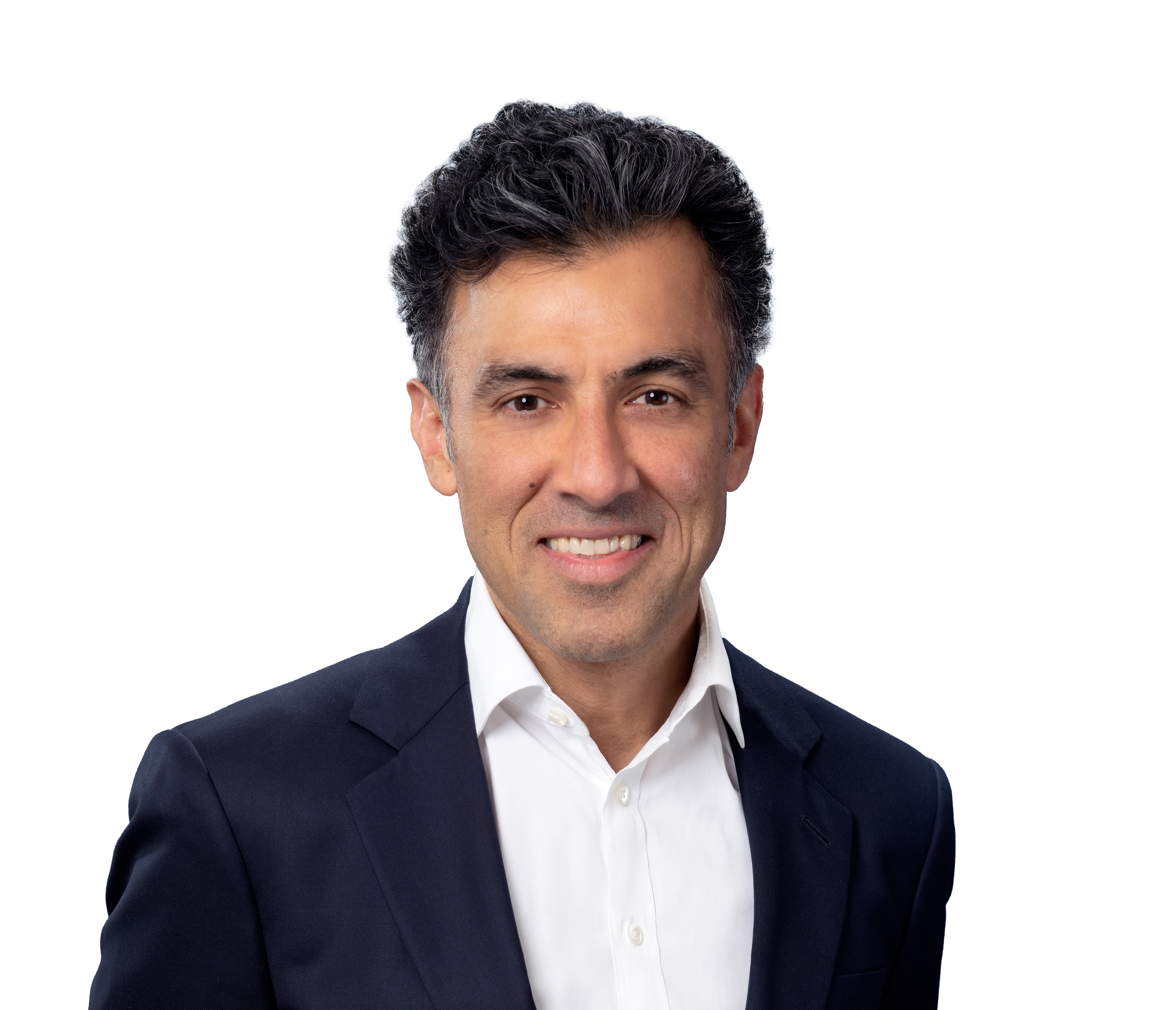
Greg Hart: Hedge fund assets globally have risen to a record of $5 trillion. This is the result of performance in the funds, as well as inflows driven by investor demand for diversified, non-correlated exposure.
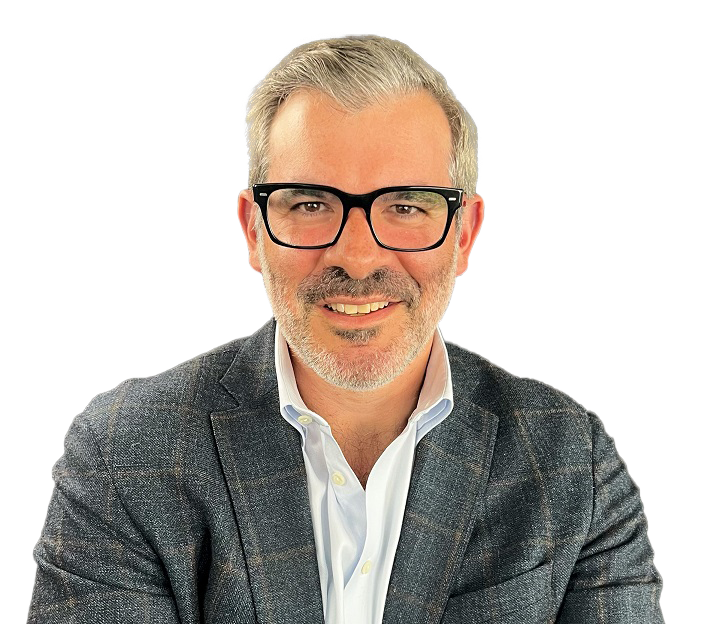
Jack Weiss: The growth has been pretty astounding. The largest multi-manager and multi-strats probably run north of $3.6 trillion of that $5 trillion. That's up 8% just in the last five or six months alone.
Outside of the largest $50bn+ platforms, the $5-$15bn AUM cohort delivered returns ~15% vs 12% for mega platforms – outperforming peers for the first time since 2018, which shows that several ‘smaller’ funds are performing very well and can compete effectively without reaching $50bn+ scale.
The new frontier that’s being unlocked is private wealth. One of the big issues has been around tax inefficiency, but that's being addressed through product innovation. Evolution of the underlying capital base could drive further hedge fund growth.
“Hedge fund assets globally have risen to a record of $5 trillion. This is the result of performance in the funds, as well as inflows driven by investor demand for diversified, non-correlated exposure.”
Greg Hart, Head of Global Markets Sales – U.S.
RBC has strengthened its hedge fund coverage with the creation of a cross-asset team. What’s the bank’s approach?
Weiss: Our focus has been the intersection of RBC’s largest risk positions and our clients’ capabilities to trade in those specific situations, or partner on that risk. We spend a lot of time really focused on trying to source long/short ideas on situations where there are defined risk parameters, and at least 50 to 60% upside.
Typically we’re looking for situations where we have a differentiated view, from a risk or content perspective, and trying to identify where the asymmetry is forming in a company's capital structure or in a particular market.
Hedge funds are exploring new trade strategies across asset classes. With private credit back in the headlines after recent shakeups, will the long-term impact open or limit opportunity?
Weiss: The collapses of First Brands and Tricolor, and a few ‘one off’ situations, all seem to be isolated events. The fears of a building systemic crisis are somewhat overblown; I think that also got reflected in the market very quickly.
Bank exposure to private credit is growing, but private credit only represents 3% of bank loan portfolios. However, there's now a big focus on quality control and questions around underwriting discipline and standards, especially given the proliferation of smaller firms.
Private credit spread premium versus some of the broadly syndicated loans are effectively at all-time tights. In terms of pricing, it may no longer be extremely attractive, but it's still attractive.
How do you view current fears of an AI investment bubble?
Weiss: It doesn't feel like it's a bubble yet, despite the fact that it comes up often in conversation. I know there are concerns around tapping the debt markets, but a large part of the investment to date has been underwritten internally by the cashflow streams at the hyperscalers, and by the big juggernauts within AI.
Hyperscalers grew capex from $153 billion back in ‘23 to what will end up being close to $400 billion this year – at a time, too, when capacity still feels constrained. There is a fear that you may see eventual deceleration in hyperscaler capex growth, but I think that's not so much a debate for this coming quarter, nor for next.
Hart: The issue right now is that we don't have enough information yet to understand who the winners and losers in this market will be.
Weiss: One thing that clients have been looking to do is take advantage of the big valuation disconnect between the U.S. and China, and specifically getting further and more diversified exposure to the AI theme in China.
“Clients have been looking to take advantage of the big valuation disconnect between the US and China, and specifically getting further and more diversified exposure to the AI theme in China.”
Jack Weiss, Head of Cross Asset Hedge Fund Sales
Where are hedge funds finding conviction in commodities?
Weiss: Short oil has been a consensus trade for a good part of the marketplace. Part of it is a function of supply/demand, and part a function of OPEC policy. But at least for the immediate to near term, we're dealing with a with a highly volatile oil market.
Hart: The hedge fund community at large might have been somewhat short oil, but I would say that the producer community was more sanguine.
Weiss: On gold, the rally we’ve seen since ’23 is quite remarkable. In the last two-plus months there has been a reacceleration of central bank demand, plus ETF holdings that jumped significantly as the dollar debasement trade went into overdrive. With fiscal uncertainty across multiple geographies and structural demand for gold coming through, this trade still feels like one that has legs.
What are the most significant risks shaping markets right now?
Hart: Recently we saw a meaningful move in the VIX, and related short-term pullback in stock prices and widening of credit spreads. We've bounced back from those levels, but that reminded us quite clearly that we're still operating in a very risky environment.
Weiss: One concern is that unemployment spikes significantly. Another would be if the 10-year were to go north of 5% and the Fed loses control of the back end.
But I think the key risk is focused on at the micro level, on the AI trade, given concerns around the relative return on capital investment that's been made over the course of the last couple of years.
These concerns are relevant, and clients are looking to find and capitalize on ways they can hedge against them with cheap optionality, while still maintaining long exposure to the market.
Investors are using this as an opportunity to take some chips off the table, in large part because they also want to lock in what has been a pretty remarkable year. And most of the clients we cover are outperforming the market and their relative benchmarks.
“Investors are using this opportunity to take some chips off the table, in large part because they also want to lock in what has been a pretty remarkable year.”
Jack Weiss, Head of Cross Asset Hedge Fund Sales