

How close are psychedelic drugs to adoption in mainstream medicine?
Dr. Brian Abrahams: Depression and anxiety represent some of the largest areas of unmet need in all of medicine.
What makes psychedelics so interesting is their potential to fundamentally change this equation. Single administration or short-course therapies can offer rapid-onset and durable remission, a genuinely new treatment paradigm.
We’re now approaching a truly pivotal moment. The clinical evidence is increasingly robust. The policy environment has also shifted: the FDA has published draft guidance establishing a clear regulatory path for late-stage development.
RBC recently hosted a psychedelics symposium. The bottom line from experts was that physician interest is high, pricing and reimbursement dynamics are favorable, generic risk is limited, and the regulatory path is increasingly clear, all of which underpins our conviction in the space.
“We’re now approaching a truly pivotal moment. The clinical evidence is increasingly robust; the policy environment has also shifted.”
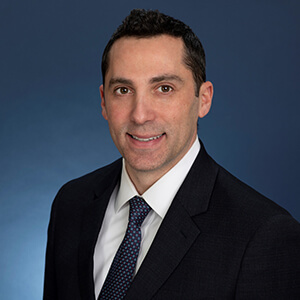
Dr. Brian Abrahams, Head, Global Healthcare Research
What’s the impact of the recent Presidential executive order to accelerate psychedelics research and access for military personnel with mental disorders?
Abrahams: We see it as a substantial step towards diminishing regulatory risk for this emerging therapeutic class. The veteran focus is significant, given the massive unmet need around PTSD, which affects 13 million Americans.
The order directs the FDA to issue Commissioner’s National Priority Vouchers to psychedelics programs with breakthrough therapy designation, potentially compressing review timelines to as little as two months post filing.
It also creates a ‘right to try’ pathway for eligible patients, which could further improve public perception and build momentum ahead of the commercial launches.
What are the remaining risks to mainstream psychedelics adoption?
Abrahams: One challenge is the need to address functional unblinding. Trial participants can generally tell whether they’ve received a psychedelic or a placebo, but this challenge is not dramatically different from other psychoactive therapies.
Expectation bias is another issue. It can raise placebo response rates. But companies are countering this by carefully selecting experienced trial sites, instructing personnel not to over-promise on subjective effects, and prioritizing enrollment of patients with no prior psychedelic experience.
The risk raised most frequently by investors is commercial scalability. Psychedelic administration requires in-person supervision during the hallucinogenic experience, which can last for several hours.
The concern is that without a sufficiently scalable delivery infrastructure, this drug class could be relegated to a small niche market rather than achieving broad commercial reach.
What has your research discovered about the potential for scalable delivery?
Leonid Timashev: We ran a survey of a proportion of the 7,000 treatment centers that administer Spravato, the nasal spray for treatment-resistant depression, which has overlapping properties with some of the psychedelics.
We spoke to clinicians, site managers, nurses, and monitors there to better understand the levels of patient interest, what spare capacity they have, and whether they would need to build out infrastructure.
We found that not only are these clinics extremely excited about the potential of psychedelics; they also have the capacity to administer them.
We expect about 1,000 high-volume centers will serve as the initial psychedelics prescriber base in year one, expanding on this well-established Spravato infrastructure.
“Not only are clinics extremely excited about the potential of psychedelics; they also have the capacity to administer them.”
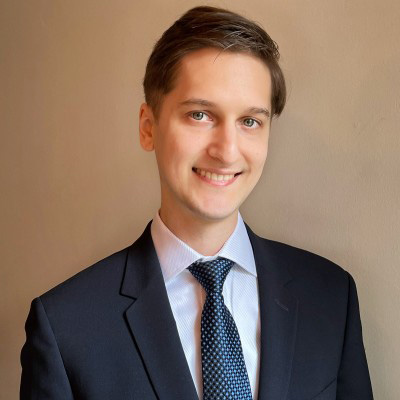
Leonid Timashev, Analyst, Biotechnology
Dr. Brian Abrahams and Leonid Timashev authored “Reality, Rewired,” published on January 28, 2026. For more information on the full report, please contact your RBC representative.