

UK turns its grid inside-out in its quest for Clean Power 2030
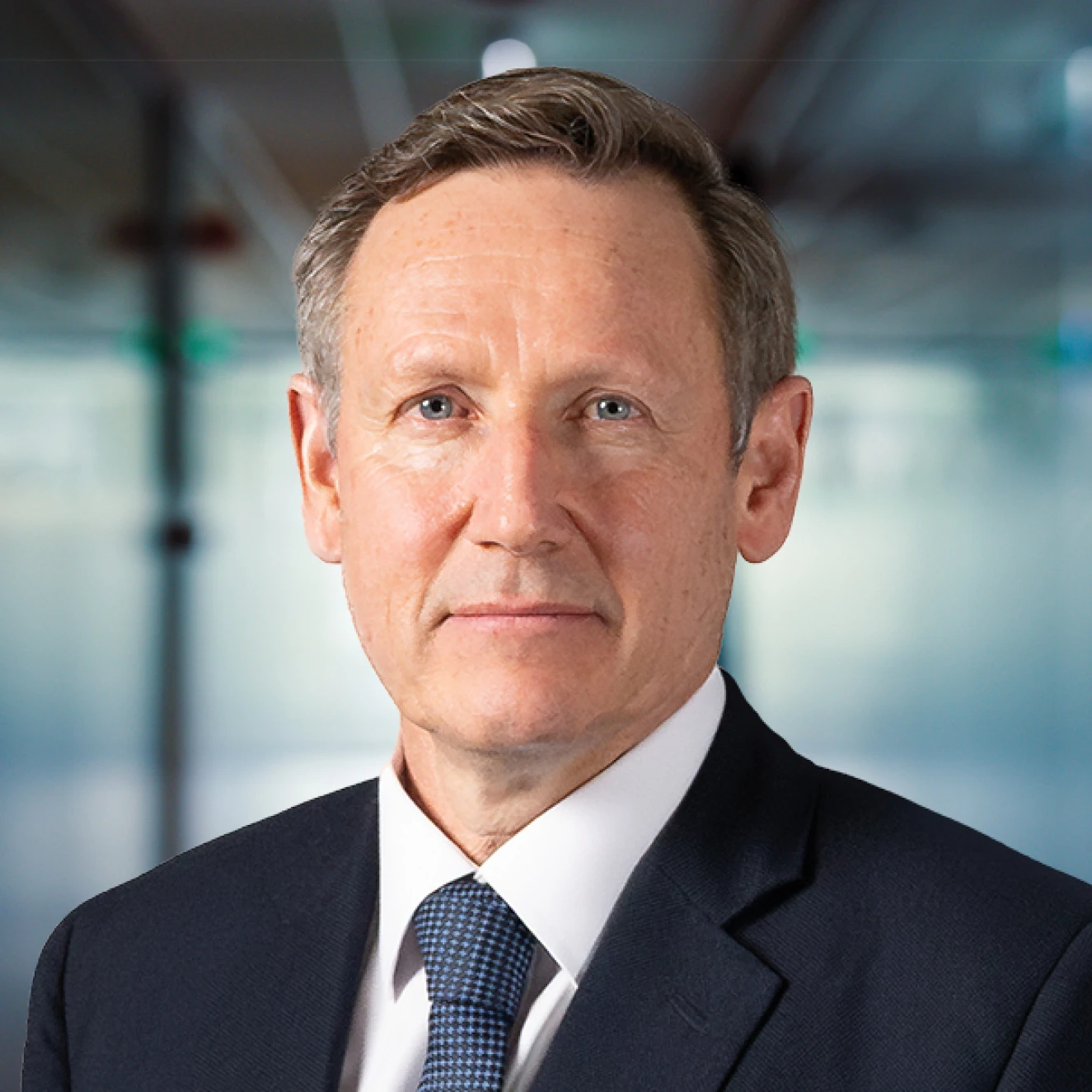
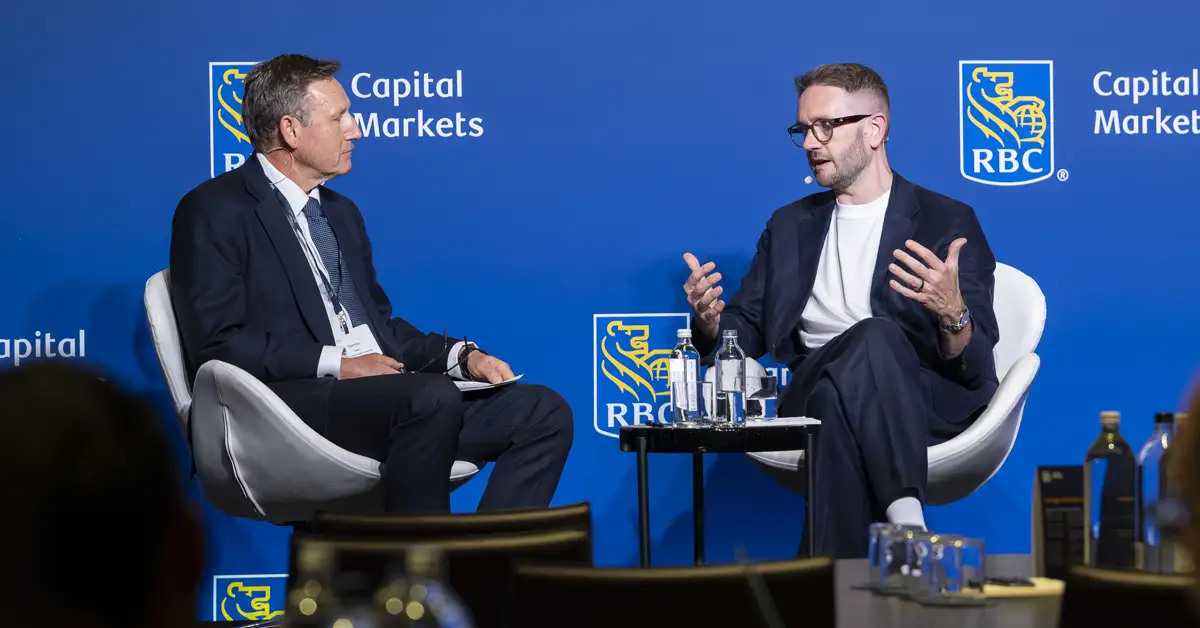
At RBC's Energy Transition Conference in London on 25 June, Chris Stark, appointed by the UK government as Head of Mission Control for Clean Power 2030, sat down with Dominic Hudson, our Head of Investment Banking for Europe and APAC, to discuss the country's push to deliver clean power by 2030. What followed was a candid account of how the UK is reshaping its power system, easing grid congestion, and tackling the affordability challenge at the heart of its energy trilemma.
Turning the grid inside-out
The UK is stepping up investment to deliver clean power by 2030. After success in renewables expansion, particularly in offshore wind, the government is now pump-priming the country for an anticipated increase in electricity demand.
That means doubling the power system to accommodate even more renewables. "We now have the biggest transmission build that we’ve seen since the 1960s," says Chris Stark, who heads the Clean Power 2030 drive within the UK’s Department for Energy Security and Net Zero.
"It’s a bit like turning the grid inside-out. It was planned around coal; in the future it will be planned mainly around wind."
The build-out will relieve constraints by moving energy to the points of demand. At the same time, new renewables projects are gaining faster consent, helping to boost domestic energy security.
To that end, the government has changed its Contract for Difference scheme, which seeks competitive bids from renewables developers. "We've extended the tenor from 15 years to 20, to try and bring down the cost today, acknowledging that the major benefits will come in the future," says Stark.
Radical solution to grid congestion
That still leaves a major issue to be resolved: the bottleneck of projects waiting for access to the existing grid system. The UK has come up with a radical solution. The government has intervened to reorder the queue, prioritizing the projects it wants to see on the system fastest. It is, Stark acknowledges, a controversial and “un-British” solution: “We like queuing in this country."
"But we need to put the projects that are most strategically aligned and most commercially ready at the front of the queue, and push down the projects that are not so well aligned."
Chris Stark, Head of Mission Control for Clean Power 2030, UK Government Department for Energy Security and Net Zero
Higher demand is key to affordability
The UK is also acting to try to cut high energy costs for consumers. Part of the solution is to move levies from bills to general taxation.
But Stark defines the real affordability issue: "Electricity demand is too low. The more demand we have, the more we spread those fixed costs over that demand base, and the quicker the electricity bill will fall."
He believes mass adoption of electric vehicles, together with a modest rollout of heat pumps, could remove a quarter of the unit cost of electricity. The ability to charge EVs at flexible times would also be key.
"Together, more demand and flexibility are the quickest route to lower bills,” he says. “The flex bit, in particular, opens the opportunity for consumers who want it to cut their bills more quickly."
The UK is also looking to curb costs for heavy industry, says Stark, but he says legacy costs make this harder. The government is now “super cautious” in signing up to costs for new generation.
"Together, more demand and flexibility are the quickest route to lower bills."
Chris Stark, Head of Mission Control for Clean Power 2030, U.K. Government Department for Energy Security and Net Zero
UK offers certainty to energy investors
Despite the summer’s change of Prime Minister, Stark believes the UK’s agenda will remain unchanged. For the longer term, the government has tried to future-proof Contracts for Difference by moving it to an independent counterparty, the Low Carbon Contracts Company.
"It's extremely difficult to unpick those kinds of contracts, and that is by design," Stark says. "We want to give as much clarity and certainty as we can to investors about the safety of the fixed income that comes from those contracts."
The capital-intensive nature of the transition will mean future energy costs are determined by the cost of finance, rather than commodity prices, Stark adds. He promises investors that the government plans to "leave it alone, and let you get on with it".