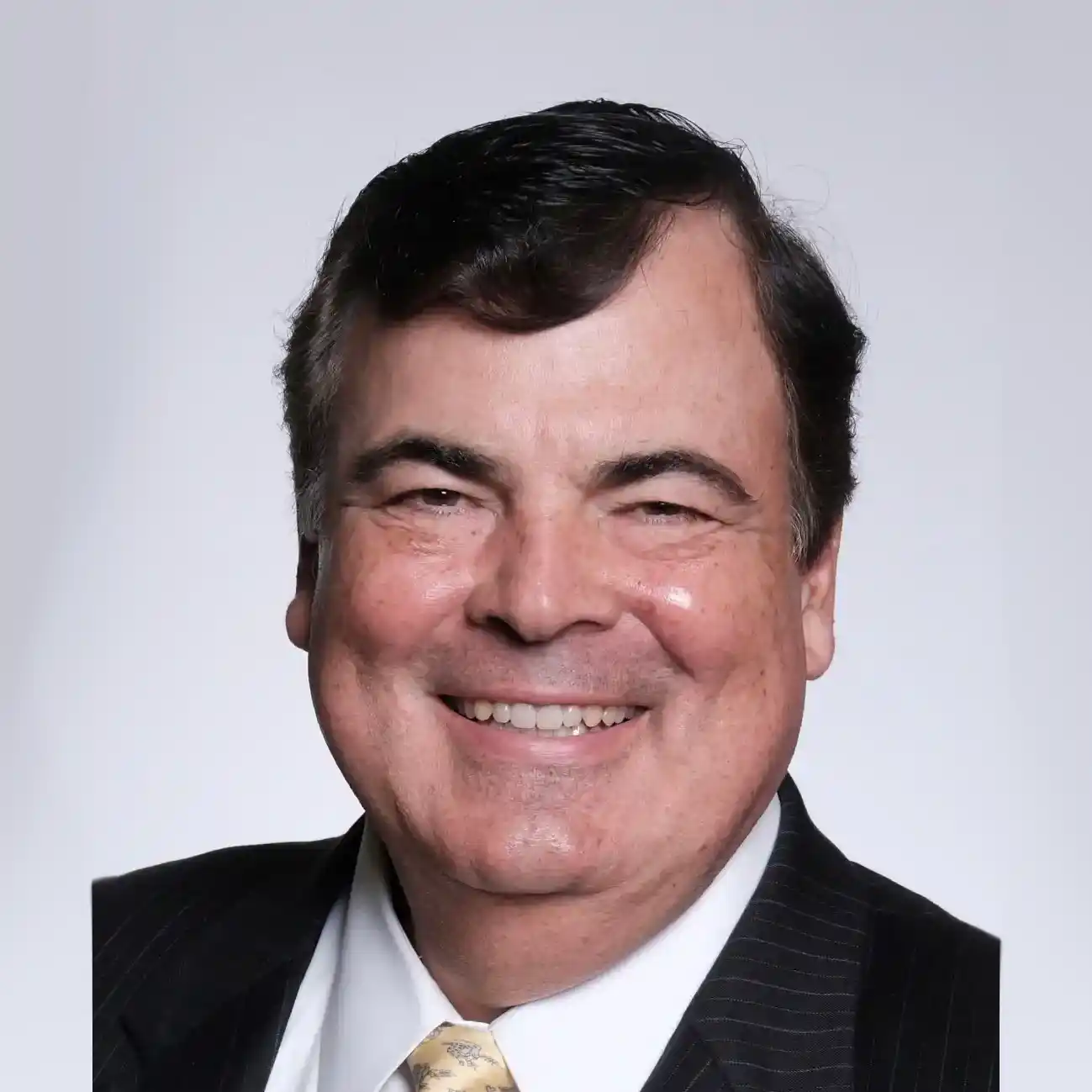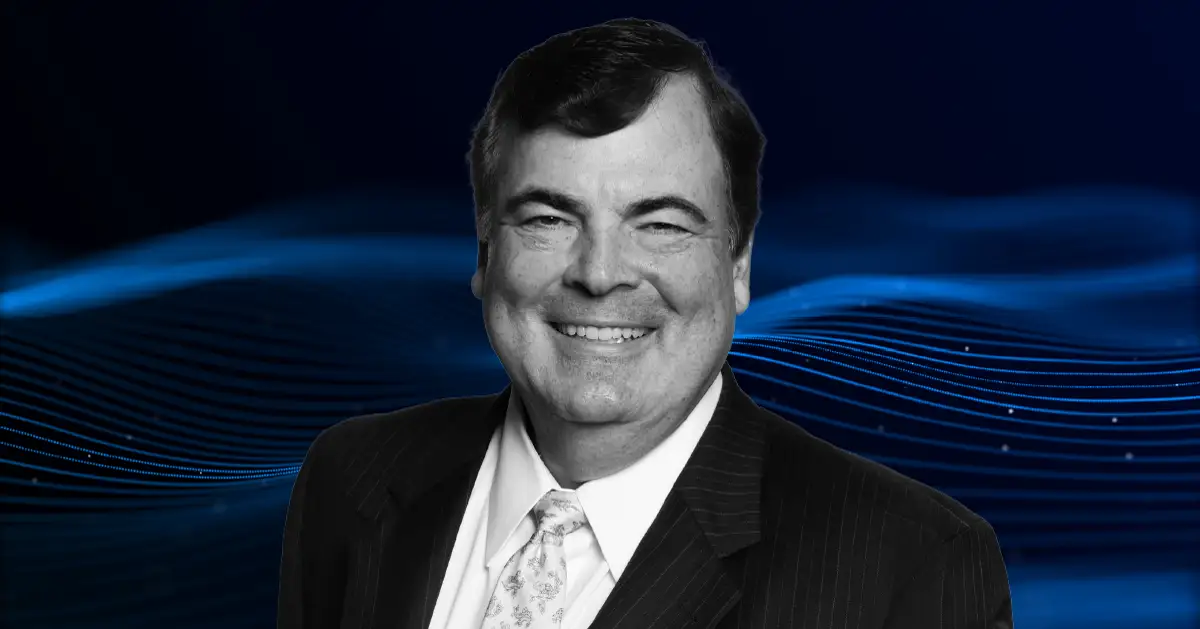
Nikolai J. Sklaroff is Capital Finance Director at the San Francisco Public Utilities Commission (SFPUC), where he oversees financing for critical water, wastewater and power infrastructure. Having served on SFPUC's first Green Bond issuance in 2015 in his previous role as a public finance investment banker, he now helps shape the utility's long-term capital and sustainable finance strategy.
From delivering 100% renewable electricity to investing in climate resilience, SFPUC plays a central role in supporting San Francisco's environmental and infrastructure ambitions. The utility's investments span everything from renewable energy and sea-level-rise adaptation to the modernization of the city's largest wastewater treatment facilities.
In this interview, Nikolai discusses SFPUC's evolution, the role of infrastructure investment in climate resilience, and how sustainable finance is helping fund the next phase of projects.
What drew you to your current role, and how did your earlier career roles prepare you to step into it?
My entire career has been in public finance—first as a financial advisor, then a rating agency analyst and investment banker, and more recently as an issuer.
As an investment banker in San Francisco, I loved being able to walk around the city and being able to point to projects I'd helped finance: the Transbay Transit Center, the California Academy of Sciences, the de Young Museum and many others. I was actually an investment banker on SFPUC's 2015 Power Revenue Bond issuance, which became its first Green Bond. Watching the organization evolve into one of the largest Green Bond issuers in the country was genuinely exciting.
When this opportunity came up, those connections mattered. The leadership SFPUC had already demonstrated – being the first to issue under Climate Bond Initiative’s water criteria, the first to list Green Bonds on the London Stock Exchange to reach international investors, and winner of several Environmental Finance magazine Green Bond of the Year awards – made it the right time to join. During my time at SFPUC, my team and I have tried to build on that legacy, and we're looking forward to what comes next.
Can you give us some context on the organization’s mission?
SFPUC brings together four rated entities: Water, Wastewater, Power, and CleanPowerSF (our community choice aggregator). Between Hetch Hetchy Power and CleanPowerSF, we're delivering 100% clean renewable energy to San Francisco and providing more than 75% of the city's power consumed—which matters enormously given the AI boom happening here and the city's basic need for reliable electricity.
What is remarkable is the engineering behind this. Over the past century, we have built a system that delivers some of the cleanest water in the country across a vast distance from Yosemite National Park, and also generating hydroelectric renewable energy. With continuous improvements, that same system still delivers water and power today.
In April 2026, San Francisco released its most recent Climate Action Plan. What is the SFPUC's role in helping the city achieve its climate and sustainability objectives?
The city's been at this for a long time, with its first Sustainability Plan in 1997 and its first Climate Action Plan in 2004. San Francisco’s newest Climate Action Plan builds on our track record and presents a roadmap for continued leadership. The SFPUC is critical to the city's Climate Plan priorities, pursued through our capital investments. This includes water and wastewater projects that protect ecological health, system improvements that support drought resilience, and power investments that accelerate the transition to renewable energy: electrifying the city by moving residential energy from gas to electric, electrifying transportation, and modernizing buildings.
Since 1990, San Francisco has cut emissions by 48% and is committed to achieving net-zero by 2040. We're also building resilience in our water system through conservation and purification investments. And because we're surrounded by water—the Pacific and the Bay—adaptation to sea level rise and resilience are essential, especially for gravity-fed systems like our wastewater system that put us in contact with those zones most vulnerable to sea level rise.
Since 2015, SFPUC has issued $5.8 billion in Green Bonds. What are some other key projects that have been funded through this program?
We've issued Green Bonds across all three bond-issuing enterprises: water, wastewater, and power. These investments span all seven Northern California counties where we have infrastructure.
Across water and wastewater, our Water System Improvement Plan—now essentially complete—was programmatically certified by Climate Bonds Initiative, as was our ongoing Sewer System Improvement Plan. Both include everything from pipeline rebuilds to address sea level rise to similar work at treatment plants. Our Southeast facility, for instance, is designed to handle three feet of sea level rise, with electrical systems relocated to higher levels across the infrastructure. With our power enterprise delivering 100% renewable energy, even more of what we do could arguably be designated Green.
We manage hundreds of projects across these enterprises, so we've developed Green Bond Reports for each one to show how proceeds are used. While some entities are being quieter about their climate work in an era of greenhushing, we've been given the go-ahead from leadership to continue to articulate our commitment.
With our inaugural Impact Report, we want to tell a more complete story—not just what we're spending on, but what outcomes we are actually achieving. Debt issued to fund climate resilience should not be viewed only as increased leverage but should also be understood as a tool for reducing future exposure to climate, regulatory, and operational risks. Our Impact Report is intended to help make that risk-reduction value more visible.
"While some entities are being quieter about their climate work in an era of greenhushing, we've been given the go-ahead from leadership to continue to articulate our commitment. With our inaugural Impact Report, we want to tell a more complete story—not just what we're spending on, but what outcomes we are actually achieving."
Nikolai J. Sklaroff, Capital Finance Director, SFPUC
Can you talk about some of the specific resilience projects that have been funded by these bond proceeds? How has this funding been critical for building a more resilient Bay Area?
One of my priorities is helping the market understand the resilience investments that we have already been making over multiple decades – raising pipelines in anticipation of sea level rise, managing wildfire risk, and more.
When the LA wildfires occurred in 2025, there was a headline in Barron’s: "LA Burns, the Municipal Bond Market Wakes Up to Climate Risk." We'd respectfully argue we've been awake to these risks for years. Our upcountry facilities use AI-based dashboards to monitor conditions, we maintain cameras throughout the system, and we also do vegetation mitigation along transmission lines. More importantly, as a city that has lived through the trauma of an urban wildfire in 1906, San Francisco has learned certain lessons that we continue to apply to investments in our systems’ resilience.
A major flagship project is transforming our Southeast Pollution Control Plant. It was built in the 1950s based on 1940s technology and treats 80% of our wastewater, which is a combination of both our sanitary sewer system and stormwater. We're rebuilding it as a modern resource recovery facility. The Biosolids Digester Facilities Project is part of a larger, multi-phased $5 billion-plus reinvestment. It's not just replacing aging infrastructure or meeting stricter codes—it's enhancing the neighborhood's vitality and directly addressing climate challenges like sea level rise.
"One of my priorities is helping the market understand the resilience investments that we have already been making over multiple decades – raising pipelines in anticipation of sea level rise, managing wildfire risk, and more."
Nikolai J. Sklaroff, Capital Finance Director, SFPUC
Where do you see SFPUC’s sustainability strategy heading in the next five years?
From a leadership and political standpoint, San Francisco's commitment to sustainability remains strong. The climate science is real, the physical risks are real, and we want investors to understand we're making the necessary investments to manage those risks.
I'm fortunate to have a team that's both focused on this work and genuinely excited about leading the way as we develop and launch our new strategy. There's a generational aspect here too – as people pass the baton, this work has become even more important to the next generation of public finance leaders.
"From a leadership and political standpoint, San Francisco's commitment to sustainability remains strong. The climate science is real, the physical risks are real, and we want investors to understand we're making the necessary investments to manage those risks."
Nikolai J. Sklaroff, Capital Finance Director, SFPUC