Royal Bank of Canadahttps://www.rbcroyalbank.com/personal.htmlhttps://www.rbcroyalbank.com/personal.htmlInsights1200630enCA
Datum[@Name='Source DCR']
2020-05-26New business models emergeWill genetics usher in a new era of healthcare? Is the entire health ecosystem ready for reinvention? Can digital healthcare in life sciences exceed patient expectations?Expanding Ecosystems3/assets/rbccm/images/gib/healthcare/article_3_thumbnail_sm.jpg/assets/rbccm/images/gib/healthcare/article_3_thumbnail.jpg<h3>Shifting Paradigms</h3>
<p>As the convergence of healthcare and technology has accelerated, new business models are rapidly emerging. </p>
<p>In the traditional biopharma model, the customer would be a physician, R&D tools would be chemical or biological, the end product a pill or vial, and the competitors pharma and biotech players.</p>
<p>The digital revolution in healthcare is shifting this long-established paradigm. Today, biopharma companies’ customer groups have grown to include patients of all ages, providers and payers—all equipped with smartphones and apps that generate a vast amount of digital information to empower their decision-making. R&D has added genetic information and digital capability to its toolset. The end product has broadened beyond the pill to include health outcomes enabled by digital devices and therapeutics. And the competitive set has seen the addition of technology players, including consumer-focused apps and online services, as well as digital health and digital therapeutics firms.</p>
<p class="photo-frame text-center"><img style="width: 100%;" src="/assets/rbccm/images/gib/healthcare/Healthcare-Article-3-Graph-1.png" alt="" /></p>
<h3>A Changing Ecosystem</h3>
<p>Indeed, digital and AI applications are radically changing key areas of the biopharma ecosystem and how patients manage their healthcare.</p>
<p>In pre-clinical research, technology is enabling everything from a deeper mining of literature, to predictive modeling and gene-function annotation. Digital apps are simulating molecular dynamics and pushing the limits of cellular imaging.</p>
<p>In clinical trials, digital transformation is helping to automate testing procedures, build global patient databases and collect real-world data.</p>
<p>In diagnostics, tech powers digital pathology, home-based body diagnosis, and computational analysis of tissue arrays. Just like your car leaves the factory with hundreds of sensors that can trigger the check engine light, humans will have wearable and/or implantable sensors to alert them when something is not functioning properly. Another burgeoning area is immune cell monitoring and digital analysis through just a finger prick.</p>
<p>At the point of patient care, digital applications are already delivering virtual consultations, remote monitoring, VR-based cognitive therapy and digital Rx. Demand for telehealth services and health-based social platforms is also increasing and especially vital in a world facing new challenges such as the COVID-19 pandemic.</p>
<p><img src="/assets/rbccm/images/gib/healthcare/healthcare-article-3-graph-2.png" alt="AI and Digital applications are changing key areas of the Healthcare Ecosystem" /></p>
<div id="similar-to-this" style="border-top: 2px #E6E6E7 dotted; border-bottom: 2px #E6E6E7 dotted; margin: 35px 0; padding: 25px;">
<h4 style="font-size: 18px; letter-spacing: 0.5px; border-bottom: 3px #FEDF01 solid; padding: 0 0 8px 0; margin-bottom: 15px;">Similar to this</h4>
</div>
<h3>Digital Transformation</h3>
<p>The digital revolution presents both threats and opportunities to incumbent biopharma companies. Tech is powering efficiencies in all stages of the current ecosystem and is also enabling healthcare providers to expand their capabilities from treatment to prevention.</p>
<div class="quotebox">
<p>“Tech is powering efficiencies in all stages of the current ecosystem and is also enabling healthcare providers to expand their capabilities.”</p>
<p class="attribution" style="color: #0070a3;">– Greg Wiederrecht, Ph.D.</p>
<div class="quote-share">
<p style="display: inline-block;"><span style="margin-right: 15px;">Share </span><a class="blue-circle-outline-sm" href="https://www.linkedin.com/shareArticle?mini=true&url=https%3A//www.rbccm.com/en/gib/healthcare/episode/new_healthcare_business_models_emerge&title=New%20healthcare%20business%20models%20emerge&source=www.rbccm.com" target="_blank" rel="noopener" aria-label="Connect by LinkedIn"><em class="fa fa-linkedin" style="color: #0051a5; margin-left: 3px;"> </em></a> <a class="blue-circle-outline-sm" href="https://twitter.com/home?status=New%20business%20models%20emerge%20https%3A//www.rbccm.com/en/gib/healthcare/episode/new_healthcare_business_models_emerge" target="_blank" rel="noopener" aria-label="Connect by X"><em class="fa fa-twitter" style="color: #0051a5; margin-left: 3px;"> </em></a> <a class="blue-circle-outline-sm" href="mailto:?subject=New%20business%20models%20emerge&body=I%20found%20this%20insights%20piece%20from%20RBC%20Capital%20Markets%20informative%20and%20thought%20it%20might%20be%20of%20interest%20to%20you%3A%0D%0Dhttps%3A//www.rbccm.com/en/gib/healthcare/episode/new_healthcare_business_models_emerge&title=New business models emerge" aria-label="Connect by Email"><em class="fa fa-envelope" style="color: #0051a5; margin-left: 3px;"> </em></a></p>
</div>
</div>
<p> </p>
<p>The increased digitization of human experiences gives access to a wealth of information and knowledge that could help intervene before disease has a chance to strike. A prime example of this is collating data from an Apple Watch to screen for irregular heart rhythms and detect undiagnosed atrial fibrillation. At the other end of the spectrum, digital transformation allows a completely new class of therapies such as digital therapeutics to support specific disorders.</p>
<p>McKinsey and Company’s international survey shows that more than 75% of patients expect to use digital healthcare services in the future.<sup>1</sup> Patients are seeking technology that delivers a level of care they can rely on and trust. Ultimately, the aim of the digital revolution is to develop healthier societies and lower the cost of care.</p>
<p style="word-wrap: break-word;"><sup>1 Source: McKinsey and Company, Healthcare’s Digital Future, July 2014. https://www.mckinsey.com/~/media/McKinsey/Industries/Healthcare%20Systems%20and%20Services/Our%20Insights/Healthcares%20digital%20future/Healthcares%20digital%20future.ashx</sup></p><ul>
<li>Customer groups, R&D and competitors are all rapidly expanding</li>
<li>Tech is reinventing every facet of the biopharma ecosystem</li>
<li>Innovations in patient care is driving adoption of digital services</li>
</ul>text2 min1 minHealthcare Models, Digital Healthcare, Digital Healthcare Apps, Digital Health Diagnostics, Expanding R&D, Healthcare & Tech Convergence, Healthcare Services, Clinical Trials, Remote Patient Monitoring, Digital Therapeutics, Biopharma ecosystem, Cost of CareN/templatedata/rbccm/episode/data/healthcare/amazon_cvs_and_google_healthcare_reimagined/templatedata/rbccm/episode/data/healthcare/big_tech_vs_big_pharma/templatedata/rbccm/episode/data/healthcare/the_healthcare_data_explosionGreg Wiederrecht, Ph.D./assets/rbccm/images/gib/healthcare/greg-wiederrecht.jpgManaging Director, Healthcare Investment Bankinggreg.wiederrecht@rbccm.comhttps://www.linkedin.com/in/gregwiederrecht/Sasson Darwish/assets/rbccm/images/gib/healthcare/sasson-darwish.jpgManaging Director, AI, Analytics and IoT & Israel Country Coverage, Global Technology Investment Bankingsasson.darwish@rbccm.com https://www.linkedin.com/in/sassdarwish/Andrew Callaway/assets/rbccm/images/gib/healthcare/andrew-callaway.jpgManaging Director, Global Head of Healthcare Investment Bankingandrew.callaway@rbccm.comhttps://www.linkedin.com/in/andrew-cal-callaway
DEBUG: DCR
DCR
Royal Bank of Canadahttps://www.rbcroyalbank.com/personal.htmlhttps://www.rbcroyalbank.com/personal.htmlInsights1200630enCA
DCR
2020-05-26New business models emergeWill genetics usher in a new era of healthcare? Is the entire health ecosystem ready for reinvention? Can digital healthcare in life sciences exceed patient expectations?Expanding Ecosystems3/assets/rbccm/images/gib/healthcare/article_3_thumbnail_sm.jpg/assets/rbccm/images/gib/healthcare/article_3_thumbnail.jpg<h3>Shifting Paradigms</h3>
<p>As the convergence of healthcare and technology has accelerated, new business models are rapidly emerging. </p>
<p>In the traditional biopharma model, the customer would be a physician, R&D tools would be chemical or biological, the end product a pill or vial, and the competitors pharma and biotech players.</p>
<p>The digital revolution in healthcare is shifting this long-established paradigm. Today, biopharma companies’ customer groups have grown to include patients of all ages, providers and payers—all equipped with smartphones and apps that generate a vast amount of digital information to empower their decision-making. R&D has added genetic information and digital capability to its toolset. The end product has broadened beyond the pill to include health outcomes enabled by digital devices and therapeutics. And the competitive set has seen the addition of technology players, including consumer-focused apps and online services, as well as digital health and digital therapeutics firms.</p>
<p class="photo-frame text-center"><img style="width: 100%;" src="/assets/rbccm/images/gib/healthcare/Healthcare-Article-3-Graph-1.png" alt="" /></p>
<h3>A Changing Ecosystem</h3>
<p>Indeed, digital and AI applications are radically changing key areas of the biopharma ecosystem and how patients manage their healthcare.</p>
<p>In pre-clinical research, technology is enabling everything from a deeper mining of literature, to predictive modeling and gene-function annotation. Digital apps are simulating molecular dynamics and pushing the limits of cellular imaging.</p>
<p>In clinical trials, digital transformation is helping to automate testing procedures, build global patient databases and collect real-world data.</p>
<p>In diagnostics, tech powers digital pathology, home-based body diagnosis, and computational analysis of tissue arrays. Just like your car leaves the factory with hundreds of sensors that can trigger the check engine light, humans will have wearable and/or implantable sensors to alert them when something is not functioning properly. Another burgeoning area is immune cell monitoring and digital analysis through just a finger prick.</p>
<p>At the point of patient care, digital applications are already delivering virtual consultations, remote monitoring, VR-based cognitive therapy and digital Rx. Demand for telehealth services and health-based social platforms is also increasing and especially vital in a world facing new challenges such as the COVID-19 pandemic.</p>
<p><img src="/assets/rbccm/images/gib/healthcare/healthcare-article-3-graph-2.png" alt="AI and Digital applications are changing key areas of the Healthcare Ecosystem" /></p>
<div id="similar-to-this" style="border-top: 2px #E6E6E7 dotted; border-bottom: 2px #E6E6E7 dotted; margin: 35px 0; padding: 25px;">
<h4 style="font-size: 18px; letter-spacing: 0.5px; border-bottom: 3px #FEDF01 solid; padding: 0 0 8px 0; margin-bottom: 15px;">Similar to this</h4>
</div>
<h3>Digital Transformation</h3>
<p>The digital revolution presents both threats and opportunities to incumbent biopharma companies. Tech is powering efficiencies in all stages of the current ecosystem and is also enabling healthcare providers to expand their capabilities from treatment to prevention.</p>
<div class="quotebox">
<p>“Tech is powering efficiencies in all stages of the current ecosystem and is also enabling healthcare providers to expand their capabilities.”</p>
<p class="attribution" style="color: #0070a3;">– Greg Wiederrecht, Ph.D.</p>
<div class="quote-share">
<p style="display: inline-block;"><span style="margin-right: 15px;">Share </span><a class="blue-circle-outline-sm" href="https://www.linkedin.com/shareArticle?mini=true&url=https%3A//www.rbccm.com/en/gib/healthcare/episode/new_healthcare_business_models_emerge&title=New%20healthcare%20business%20models%20emerge&source=www.rbccm.com" target="_blank" rel="noopener" aria-label="Connect by LinkedIn"><em class="fa fa-linkedin" style="color: #0051a5; margin-left: 3px;"> </em></a> <a class="blue-circle-outline-sm" href="https://twitter.com/home?status=New%20business%20models%20emerge%20https%3A//www.rbccm.com/en/gib/healthcare/episode/new_healthcare_business_models_emerge" target="_blank" rel="noopener" aria-label="Connect by X"><em class="fa fa-twitter" style="color: #0051a5; margin-left: 3px;"> </em></a> <a class="blue-circle-outline-sm" href="mailto:?subject=New%20business%20models%20emerge&body=I%20found%20this%20insights%20piece%20from%20RBC%20Capital%20Markets%20informative%20and%20thought%20it%20might%20be%20of%20interest%20to%20you%3A%0D%0Dhttps%3A//www.rbccm.com/en/gib/healthcare/episode/new_healthcare_business_models_emerge&title=New business models emerge" aria-label="Connect by Email"><em class="fa fa-envelope" style="color: #0051a5; margin-left: 3px;"> </em></a></p>
</div>
</div>
<p> </p>
<p>The increased digitization of human experiences gives access to a wealth of information and knowledge that could help intervene before disease has a chance to strike. A prime example of this is collating data from an Apple Watch to screen for irregular heart rhythms and detect undiagnosed atrial fibrillation. At the other end of the spectrum, digital transformation allows a completely new class of therapies such as digital therapeutics to support specific disorders.</p>
<p>McKinsey and Company’s international survey shows that more than 75% of patients expect to use digital healthcare services in the future.<sup>1</sup> Patients are seeking technology that delivers a level of care they can rely on and trust. Ultimately, the aim of the digital revolution is to develop healthier societies and lower the cost of care.</p>
<p style="word-wrap: break-word;"><sup>1 Source: McKinsey and Company, Healthcare’s Digital Future, July 2014. https://www.mckinsey.com/~/media/McKinsey/Industries/Healthcare%20Systems%20and%20Services/Our%20Insights/Healthcares%20digital%20future/Healthcares%20digital%20future.ashx</sup></p><ul>
<li>Customer groups, R&D and competitors are all rapidly expanding</li>
<li>Tech is reinventing every facet of the biopharma ecosystem</li>
<li>Innovations in patient care is driving adoption of digital services</li>
</ul>text2 min1 minHealthcare Models, Digital Healthcare, Digital Healthcare Apps, Digital Health Diagnostics, Expanding R&D, Healthcare & Tech Convergence, Healthcare Services, Clinical Trials, Remote Patient Monitoring, Digital Therapeutics, Biopharma ecosystem, Cost of CareN/templatedata/rbccm/episode/data/healthcare/amazon_cvs_and_google_healthcare_reimagined/templatedata/rbccm/episode/data/healthcare/big_tech_vs_big_pharma/templatedata/rbccm/episode/data/healthcare/the_healthcare_data_explosionGreg Wiederrecht, Ph.D./assets/rbccm/images/gib/healthcare/greg-wiederrecht.jpgManaging Director, Healthcare Investment Bankinggreg.wiederrecht@rbccm.comhttps://www.linkedin.com/in/gregwiederrecht/Sasson Darwish/assets/rbccm/images/gib/healthcare/sasson-darwish.jpgManaging Director, AI, Analytics and IoT & Israel Country Coverage, Global Technology Investment Bankingsasson.darwish@rbccm.com https://www.linkedin.com/in/sassdarwish/Andrew Callaway/assets/rbccm/images/gib/healthcare/andrew-callaway.jpgManaging Director, Global Head of Healthcare Investment Bankingandrew.callaway@rbccm.comhttps://www.linkedin.com/in/andrew-cal-callaway
12025-05-22Accessing capital in a time of uncertainty for climate techOn April 23rd, RBC Capital Markets and ArcTern Ventures co-hosted a panel discussion during San Francisco Climate Week on market trends and capital strategies for climate tech startups.
noneInsights<li><a href="/en/">Home</a></li><li><a href="/en/expertise.page">Expertise</a></li><li><a href="/en/expertise/sustainable-finance.page">Sustainable Finance</a></li>/assets/rbccm/images/insights/2025/website-05.25-mid-east-quick-take-article-01-th.jpg/assets/rbccm/images/insights/2025/website-05.25-mid-east-quick-take-article-01-banner.jpghttps://www.rbccm.com/en/story/2025/05/accessing-capital-in-a-time-of-uncertainty-for-climate-technone<h2>1. Focusing on Fundamentals</h2>
<p>The market is experiencing a reset, with investor priorities shifting away from hype and toward company fundamentals. This change has led to a stronger emphasis on sustainable growth, profitability (EBITDA), and operational efficiency. Investors are now more discerning, focusing on businesses that can demonstrate strong fundamentals and long-term viability. Margins have become critical, as companies without them risk burning through cash too quickly.</p>
<p>Growth-stage funding, particularly at the Series B and C stages, has become increasingly challenging, creating what has been coined the "missing middle." In this environment, investors are extending their fundraising timelines and building in downside protections. They are favoring businesses with proven economics over those relying on speculative growth. This heightened scrutiny reflects a broader shift in the market, where expectations for growth-stage climate companies are further in focus.</p>
<p>If climate businesses can generate strong returns for their investors, the use of marketing terminology such as “climate tech” or “energy transition” is irrelevant. Ultimately, to attract and maintain investor interest, the focus is on performance and profitability.</p>
<blockquote class="quotebox" style="max-width: 100%; margin: 0 0 30px 0; border-left: 0; font-style: normal;">
<p>“Investors can remain rational much longer than startups can stay viable.”</p>
</blockquote>
<h2>2. Adapting to New Market Realities</h2>
<p>In today’s challenging financing environment, founders must adopt a proactive approach to fundraising and runway management. Startups must secure at least 18 months of runway to navigate uncertainties and prepare for worst-case scenarios. This long-term perspective ensures that businesses are better positioned to navigate market fluctuations.</p>
<p>Founders should prioritize strengthening margins, securing contracts, optimizing supply chains, and improving operating leverage over pursuing speculative opportunities or rebranding efforts. By concentrating on these foundational elements, startups can build resilience and demonstrate stability, which are critical factors for attracting investors in today’s market. Expansion or chasing total addressable market (TAM) opportunities should only come after ensuring the business’s core is robust and scalable.</p>
<p>Current capital trends also reveal a nuanced landscape shaped by geographic preferences, funding stages, and innovative financing mechanisms. Some investors are expressing hesitancy toward the United States, influenced not only by climate rhetoric but mainly driven by factors such as tariffs, budget reconciliation, and broader market uncertainty. Startups must adapt to regional dynamics and adopt strategies to align with investor sentiment.</p>
<p>With challenges in growth-stage funding, early-stage investments and late-stage infrastructure deals continue to demonstrate resilience. Companies that can showcase traction (e.g., offtake agreements), strong unit economics, and proven technology feasibility remain attractive investment cases. This trend highlights the importance for climate tech companies to prioritize clear value propositions and tangible milestones to secure investor confidence in a competitive funding landscape.</p>
<p>Founders must take the time to evaluate their investors’ reserve strategies and follow-on logic to ensure their cap table includes partners who are willing and able to provide additional funding when needed. Establishing this clarity early on can be instrumental in securing the necessary capital to weather challenges and capitalize on growth opportunities. A well-aligned investor base not only strengthens financial stability but also fosters long-term collaboration and trust.</p>
<p>Additionally, blended finance is emerging as a critical tool for funding high-risk, first-of-a-kind projects. Family offices, philanthropic grant capital, and multilateral organizations are stepping in to support bold ventures with generational horizons, unburdened by the shorter timelines of traditional venture capital. These entities are willing to take audacious bets, providing an alternative pathway for projects that might otherwise struggle to secure funding.</p>
<blockquote class="quotebox" style="max-width: 100%; margin: 0 0 30px 0; border-left: 0; font-style: normal;">
<p>“Founders are often scared to get to know investment banks, but we are here to help you and your investors."</p>
</blockquote>
<h2>3. Managing Relationships and Strategic Alternatives</h2>
<p>Forging strong relationships is a critical aspect of long-term success for startups, particularly in today’s uncertain market environment. Founders often hesitate to engage with banks early, yet these institutions can offer valuable insights and strategic support. By forming connections with banks early and consistently, startups can gain a deeper understanding of market dynamics, explore financing options, and identify strategic opportunities such as mergers or acquisitions. These relationships can serve as a guiding force, helping founders navigate complex capital markets and position their businesses for future funding rounds or potential exit strategies.</p>
<p>In the current market reset, valuations are under greater scrutiny, and the focus should shift from maximizing short-term valuation to building long-term relationships with investors.</p>
<p>Industry networking is another essential component of relationship-building. As competitors increasingly become acquisition targets, founders should actively engage with peers to explore potential partnerships, talent acquisitions, or strategic exits. Founders should also remain open to alternative outcomes, such as tuck-in acquisitions or other financing options, which can provide a soft landing if traditional funding proves elusive.</p>
<p>By cultivating strong relationships with banks, investors, and industry peers, founders can create a robust support network that enhances their ability to adapt, grow, and succeed.</p>
<blockquote class="quotebox" style="max-width: 100%; margin: 0 0 30px 0; border-left: 0; font-style: normal;">
<p>“Accessing debt markets can be a strategic way to extend runway while retaining ownership. With thoughtful planning and founder-friendly options available, debt can align with growth and long-term goals."</p>
</blockquote>
<div class="experts" style="padding-bottom: 20px;"><hr>
<h2>Our expert</h2>
<div class="row" style="display: flex; align-items: center;">
<div class="col-xs-3 col-md-2"><img class="img-circle" style="max-width: 100%;" src="/assets/rbccm/images/authors/moses-choi.jpg" alt="Moses Choi"></div>
<div class="col-sm-9 col-md-10">
<div class="expert-name">Moses Choi</div>
<div class="expert-title">Managing Director, Sustainable Finance, RBC Capital Markets</div>
</div>
</div>
<div class="article-author-bio">
<p>As part of the Sustainable Finance Group within RBC Capital Markets, Moses collaborates with corporate and institutional clients to deliver innovative sustainable finance solutions that integrate environmental, social and governance (ESG) factors. He joined the firm in 2021 with a focus on U.S. Capital Markets opportunities. Prior to joining RBC Capital Markets, Moses was Head of Digital and Sustainable Finance within the corporate strategy and venture team at Orange, where he advised on the telecommunications company’s inaugural €500m Sustainability Bond issuance and led sustainable and impact investing opportunities. Before Orange, Moses spent ten years in capital markets, corporate and investment banking, and sustainable finance at Citigroup Global Markets and Morgan Stanley. Moses holds BA and BSc degrees from Cornell University and a master’s degree from the Fletcher School at Tufts University with a focus on sustainable development.</p>
</div>
</div>
<hr>
<div id="guest" class="experts" style="padding-bottom: 20px;">
<h2>Featured guests</h2>
<div class="row" style="display: flex; align-items: center;">
<div class="col-xs-3 col-md-2"><img class="img-circle" style="max-width: 100%;" src="/assets/rbccm/images/authors/mira-inbar.jpg" alt="Mira Inbar"></div>
<div class="col-sm-9 col-md-10">
<div class="expert-name">Mira Inbar</div>
<div class="expert-title">Partner, ArcTern Ventures</div>
</div>
</div>
<div class="article-author-bio">
<p data-pm-slice="1 1 []">Mira is a Partner with ArcTern Ventures, a venture capital fund which invests early-stage climate technologies. Mira has over twenty years working in the climate sector. She started her career working with mining companies in Africa on carbon and biodiversity offset projects. She then spent over a decade in the chemical, utility, and oil & gas sectors where she built clean energy business lines, led M&A transactions, and invested in late stage companies. She was on the ground floor of building a battery business for Dow Chemical, led the rollout of a solar and wind portfolio for NRG Energy, and created a home energy business for Shell.</p>
</div>
<div class="author-contact-info"> </div>
<hr>
<div class="row" style="display: flex; align-items: center;">
<div class="col-xs-3 col-md-2"><img class="img-circle" style="max-width: 100%;" src="/assets/rbccm/images/authors/bala-nagarajan.jpg" alt="Bala Nagarajan"></div>
<div class="col-sm-9 col-md-10">
<div class="expert-name">Bala Nagarajan</div>
<div class="expert-title">Managing Director, Energy Investments, S2G Ventures</div>
</div>
</div>
<div class="article-author-bio">
<p data-pm-slice="1 1 []">Bala Nagarajan is a Managing Director of the Energy Investment team. Bala has over 15 years of experience in the Energy sector originating and executing transactions across the globe. Prior to joining S2G, Bala served as a Managing Director at NextEra Energy, where he led the Climate Tech Ventures team. Before NextEra, Bala helped set up Equinor's clean energy fund in London and relocated to New York City in 2018 to lead their Americas team. Prior to that, Bala was the Co-founder and CEO of Dawn Energy, a renewable energy development platform in the UK. His prior experiences include roles with PwC, Arthur Andersen, Citigroup, Lehman Brothers, and Huck Capital.</p>
<p>Bala is a Chartered Accountant from India and an MBA graduate from IESE Business School, Spain.</p>
</div>
<div class="author-contact-info"> </div>
<hr>
<div class="row" style="display: flex; align-items: center;">
<div class="col-xs-3 col-md-2"><img class="img-circle" style="max-width: 100%;" src="/assets/rbccm/images/authors/stephan-feilhauer.jpg" alt="Stephan Feilhauer"></div>
<div class="col-sm-9 col-md-10">
<div class="expert-name">Stephan Feilhauer</div>
<div class="expert-title">Partner, Next Partner, Next Gen Infrastructure, Antin Infrastructure Partners</div>
</div>
</div>
<div class="article-author-bio">
<p data-pm-slice="1 1 []">Stephan Feilhauer is a Partner with Antin’s Next Gen Infrastructure fund in New York that focuses on scaling companies at the intersection of infra with technology, industrials and clean energy. He has more than 15 years of experience as an investor in the US, Europe and Asia. Stephan started his career at Goldman Sachs (London) and Deutsche Bank (New York and Singapore) focused on renewable energy investments. He then spent 7 years at Macquarie Capital (New York) investing in infra-tech and industrial-tech companies in the US and Europe. Between 2021 and 2023 he was Co-Head of an Energy Transition Fund at a large US family office.</p>
<p>He holds a BSc in Engineering and Finance from LSE and UCL as well as an MSc in Civil & Environmental Engineering from MIT.</p>
</div>
<div class="author-contact-info"> </div>
<hr>
<div class="row" style="display: flex; align-items: center;">
<div class="col-xs-3 col-md-2"><img class="img-circle" style="max-width: 100%;" src="/assets/rbccm/images/authors/jonathan-mi.jpg" alt="Jonathan Mi"></div>
<div class="col-sm-9 col-md-10">
<div class="expert-name">Jonathan Mi</div>
<div class="expert-title">Managing Director and Head of Americas Investments, CREO Syndicate</div>
</div>
</div>
<div class="article-author-bio">
<p data-pm-slice="1 1 []">Jonathan is the Managing Director and Head of Americas Investments for CREO, a community of family offices committed to investing in climate solutions. He sources and facilitates direct and fund investments for CREO members, who have collectively deployed more than $60b into climate and sustainability investments. Jonathan previously helped manage Brightpath Capital, an impact focused venture capital firm focused on cleantech and food/ag opportunities. Prior to Brightpath, he helped Gryphon Investors launch its healthcare strategy and completed buyouts across the business services and education industries. Jonathan started his career at Merrill Lynch where he executed global technology M&A transactions.</p>
<p data-pm-slice="1 1 []">Jonathan holds bachelor’s degrees in Economics and Molecular Biology from the University of California, Berkeley, where he was a Chancellor’s Scholar. He serves on the Board of Directors for the Agricultural Institute of Marin.</p>
</div>
</div><ul>
<li>Investor interest in climate innovation remains resilient, fueled by the growing demand for decarbonization solutions and increased availability of dry powder.</li>
<li>The market has entered a reset, and investors are further focused on companies that can deliver strong fundamentals and unit economics.</li>
<li>Early-stage and infrastructure deals are still viable, but growth-stage funding has tightened, requiring founders to plan ahead and secure long-term runway.</li>
<li>Relationships with investors, banks, and peers are critical for navigating acquisitions, follow-on funding, and long-term success.</li>
</ul>Disclaimer<p class="small">This article is provided for information purposes only. This article may contain forward-looking statements of Royal Bank of Canada (“RBC”) or its affiliates within the meaning of certain securities laws. Information in this article is or may be based on assumptions, estimates and judgements. All expressions of opinion in this article reflect the judgment of the authors as of the date of publication and are subject to change. For cautionary statements relating to the information in this article, refer to the “Important Notice Regarding Information on this Website and Caution Regarding Forward-Looking Statements” section on RBC Capital Markets’ Sustainable Finance webpage, available at <a title="Link to RBC Sustainable Finance page" href="https://www.rbccm.com/en/expertise/sustainable-finance.page" target="_blank" rel="noreferrer noopener">https://www.rbccm.com/en/expertise/sustainable-finance.page</a>. Except as required by law, none of RBC nor any of its affiliates undertake to update any information in this article.</p>text2 minSustainable Finance, Climate week, rbc Insights, Arctern ventures, S2G ventures, Antin Infrastructure Partners, CREO Syndicate, Climate tech, Moses choi rbcenglobalinsights, main-esgOur expert1/templatedata/rbccm/authors/data/moses-choimoses-choiMoses ChoiManaging Director, Sustainable Finance, RBC Capital MarketsN/assets/rbccm/images/authors/moses-choi.jpg<p>As part of the Sustainable Finance Group within RBC Capital Markets, Moses collaborates with corporate and institutional clients to deliver innovative sustainable finance solutions that integrate environmental, social and governance (ESG) factors. He joined the firm in 2021 with a focus on U.S. Capital Markets opportunities. Prior to joining RBC Capital Markets, Moses was Head of Digital and Sustainable Finance within the corporate strategy and venture team at Orange, where he advised on the telecommunications company’s inaugural €500m Sustainability Bond issuance and led sustainable and impact investing opportunities. Before Orange, Moses spent ten years in capital markets, corporate and investment banking, and sustainable finance at Citigroup Global Markets and Morgan Stanley. Moses holds BA and BSc degrees from Cornell University and a master’s degree from the Fletcher School at Tufts University with a focus on sustainable development.</p>By <strong>Moses Choi, RBC Capital Markets</strong> By <strong>Moses Choi, RBC Capital Markets</strong> Featuring <strong>Mira Inbar, ArcTern Ventures</strong>, <strong>Bala Nagarajan, S2G Ventures</strong>, <strong>Stephan Feilhauer, Antin Infrastructure Partners</strong>, <strong>Jonathan Mi, CREO Syndicate</strong>Featured guests0Mira Inbar/assets/rbccm/images/authors/mira-inbar.jpgPartner, ArcTern Ventures<p data-pm-slice="1 1 []">Mira is a Partner with ArcTern Ventures, a venture capital fund which invests early-stage climate technologies. Mira has over twenty years working in the climate sector. She started her career working with mining companies in Africa on carbon and biodiversity offset projects. She then spent over a decade in the chemical, utility, and oil & gas sectors where she built clean energy business lines, led M&A transactions, and invested in late stage companies. She was on the ground floor of building a battery business for Dow Chemical, led the rollout of a solar and wind portfolio for NRG Energy, and created a home energy business for Shell.</p>Bala Nagarajan/assets/rbccm/images/authors/bala-nagarajan.jpgManaging Director, Energy Investments, S2G Ventures<p data-pm-slice="1 1 []">Bala Nagarajan is a Managing Director of the Energy Investment team. Bala has over 15 years of experience in the Energy sector originating and executing transactions across the globe. Prior to joining S2G, Bala served as a Managing Director at NextEra Energy, where he led the Climate Tech Ventures team. Before NextEra, Bala helped set up Equinor's clean energy fund in London and relocated to New York City in 2018 to lead their Americas team. Prior to that, Bala was the Co-founder and CEO of Dawn Energy, a renewable energy development platform in the UK. His prior experiences include roles with PwC, Arthur Andersen, Citigroup, Lehman Brothers, and Huck Capital.</p>
<p>Bala is a Chartered Accountant from India and an MBA graduate from IESE Business School, Spain.</p>Stephan Feilhauer/assets/rbccm/images/authors/stephan-feilhauer.jpgPartner, Next Partner, Next Gen Infrastructure, Antin Infrastructure Partners<p data-pm-slice="1 1 []">Stephan Feilhauer is a Partner with Antin’s Next Gen Infrastructure fund in New York that focuses on scaling companies at the intersection of infra with technology, industrials and clean energy. He has more than 15 years of experience as an investor in the US, Europe and Asia. Stephan started his career at Goldman Sachs (London) and Deutsche Bank (New York and Singapore) focused on renewable energy investments. He then spent 7 years at Macquarie Capital (New York) investing in infra-tech and industrial-tech companies in the US and Europe. Between 2021 and 2023 he was Co-Head of an Energy Transition Fund at a large US family office.</p>
<p>He holds a BSc in Engineering and Finance from LSE and UCL as well as an MSc in Civil & Environmental Engineering from MIT.</p>Jonathan Mi/assets/rbccm/images/authors/jonathan-mi.jpgManaging Director and Head of Americas Investments, CREO Syndicate<p data-pm-slice="1 1 []">Jonathan is the Managing Director and Head of Americas Investments for CREO, a community of family offices committed to investing in climate solutions. He sources and facilitates direct and fund investments for CREO members, who have collectively deployed more than $60b into climate and sustainability investments. Jonathan previously helped manage Brightpath Capital, an impact focused venture capital firm focused on cleantech and food/ag opportunities. Prior to Brightpath, he helped Gryphon Investors launch its healthcare strategy and completed buyouts across the business services and education industries. Jonathan started his career at Merrill Lynch where he executed global technology M&A transactions.</p>
<p data-pm-slice="1 1 []">Jonathan holds bachelor’s degrees in Economics and Molecular Biology from the University of California, Berkeley, where he was a Chancellor’s Scholar. He serves on the Board of Directors for the Agricultural Institute of Marin.</p>/templatedata/article/story/data/2025/04/future-proofing-real-estate-for-a-changing-climate/templatedata/article/story/data/2025/03/securing-the-future-of-an-underserved-group/templatedata/article/story/data/2025/01/equipping-high-growth-companiesRBC Capital Markets and ArcTern Ventures co-hosted a panel on how startups can access capital amid growing uncertainty.Sustainable Finance, Climate week, rbc Insights, Arctern ventures, S2G ventures, Antin Infrastructure Partners, CREO Syndicate, Climate tech, Moses choi rbc
Accessing capital in a time of uncertainty for climate tech
On April 23rd, RBC Capital Markets and ArcTern Ventures co-hosted a panel discussion during San Francisco Climate Week on market trends and capital strategies for climate tech startups.
By Moses Choi, RBC Capital Markets Featuring Mira Inbar, ArcTern Ventures, Bala Nagarajan, S2G Ventures, Stephan Feilhauer, Antin Infrastructure Partners, Jonathan Mi, CREO Syndicate Published | 2 min
read
Key points
Investor interest in climate innovation remains resilient, fueled by the growing demand for decarbonization solutions and increased availability of dry powder.
The market has entered a reset, and investors are further focused on companies that can deliver strong fundamentals and unit economics.
Early-stage and infrastructure deals are still viable, but growth-stage funding has tightened, requiring founders to plan ahead and secure long-term runway.
Relationships with investors, banks, and peers are critical for navigating acquisitions, follow-on funding, and long-term success.
1. Focusing on Fundamentals
The market is experiencing a reset, with investor priorities shifting away from hype and toward company fundamentals. This change has led to a stronger emphasis on sustainable growth, profitability (EBITDA), and operational efficiency. Investors are now more discerning, focusing on businesses that can demonstrate strong fundamentals and long-term viability. Margins have become critical, as companies without them risk burning through cash too quickly.
Growth-stage funding, particularly at the Series B and C stages, has become increasingly challenging, creating what has been coined the "missing middle." In this environment, investors are extending their fundraising timelines and building in downside protections. They are favoring businesses with proven economics over those relying on speculative growth. This heightened scrutiny reflects a broader shift in the market, where expectations for growth-stage climate companies are further in focus.
If climate businesses can generate strong returns for their investors, the use of marketing terminology such as “climate tech” or “energy transition” is irrelevant. Ultimately, to attract and maintain investor interest, the focus is on performance and profitability.
“Investors can remain rational much longer than startups can stay viable.”
2. Adapting to New Market Realities
In today’s challenging financing environment, founders must adopt a proactive approach to fundraising and runway management. Startups must secure at least 18 months of runway to navigate uncertainties and prepare for worst-case scenarios. This long-term perspective ensures that businesses are better positioned to navigate market fluctuations.
Founders should prioritize strengthening margins, securing contracts, optimizing supply chains, and improving operating leverage over pursuing speculative opportunities or rebranding efforts. By concentrating on these foundational elements, startups can build resilience and demonstrate stability, which are critical factors for attracting investors in today’s market. Expansion or chasing total addressable market (TAM) opportunities should only come after ensuring the business’s core is robust and scalable.
Current capital trends also reveal a nuanced landscape shaped by geographic preferences, funding stages, and innovative financing mechanisms. Some investors are expressing hesitancy toward the United States, influenced not only by climate rhetoric but mainly driven by factors such as tariffs, budget reconciliation, and broader market uncertainty. Startups must adapt to regional dynamics and adopt strategies to align with investor sentiment.
With challenges in growth-stage funding, early-stage investments and late-stage infrastructure deals continue to demonstrate resilience. Companies that can showcase traction (e.g., offtake agreements), strong unit economics, and proven technology feasibility remain attractive investment cases. This trend highlights the importance for climate tech companies to prioritize clear value propositions and tangible milestones to secure investor confidence in a competitive funding landscape.
Founders must take the time to evaluate their investors’ reserve strategies and follow-on logic to ensure their cap table includes partners who are willing and able to provide additional funding when needed. Establishing this clarity early on can be instrumental in securing the necessary capital to weather challenges and capitalize on growth opportunities. A well-aligned investor base not only strengthens financial stability but also fosters long-term collaboration and trust.
Additionally, blended finance is emerging as a critical tool for funding high-risk, first-of-a-kind projects. Family offices, philanthropic grant capital, and multilateral organizations are stepping in to support bold ventures with generational horizons, unburdened by the shorter timelines of traditional venture capital. These entities are willing to take audacious bets, providing an alternative pathway for projects that might otherwise struggle to secure funding.
“Founders are often scared to get to know investment banks, but we are here to help you and your investors."
3. Managing Relationships and Strategic Alternatives
Forging strong relationships is a critical aspect of long-term success for startups, particularly in today’s uncertain market environment. Founders often hesitate to engage with banks early, yet these institutions can offer valuable insights and strategic support. By forming connections with banks early and consistently, startups can gain a deeper understanding of market dynamics, explore financing options, and identify strategic opportunities such as mergers or acquisitions. These relationships can serve as a guiding force, helping founders navigate complex capital markets and position their businesses for future funding rounds or potential exit strategies.
In the current market reset, valuations are under greater scrutiny, and the focus should shift from maximizing short-term valuation to building long-term relationships with investors.
Industry networking is another essential component of relationship-building. As competitors increasingly become acquisition targets, founders should actively engage with peers to explore potential partnerships, talent acquisitions, or strategic exits. Founders should also remain open to alternative outcomes, such as tuck-in acquisitions or other financing options, which can provide a soft landing if traditional funding proves elusive.
By cultivating strong relationships with banks, investors, and industry peers, founders can create a robust support network that enhances their ability to adapt, grow, and succeed.
“Accessing debt markets can be a strategic way to extend runway while retaining ownership. With thoughtful planning and founder-friendly options available, debt can align with growth and long-term goals."
Our expert
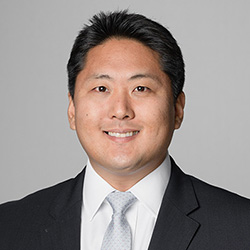
Moses Choi
Managing Director, Sustainable Finance, RBC Capital Markets
As part of the Sustainable Finance Group within RBC Capital Markets, Moses collaborates with corporate and institutional clients to deliver innovative sustainable finance solutions that integrate environmental, social and governance (ESG) factors. He joined the firm in 2021 with a focus on U.S. Capital Markets opportunities. Prior to joining RBC Capital Markets, Moses was Head of Digital and Sustainable Finance within the corporate strategy and venture team at Orange, where he advised on the telecommunications company’s inaugural €500m Sustainability Bond issuance and led sustainable and impact investing opportunities. Before Orange, Moses spent ten years in capital markets, corporate and investment banking, and sustainable finance at Citigroup Global Markets and Morgan Stanley. Moses holds BA and BSc degrees from Cornell University and a master’s degree from the Fletcher School at Tufts University with a focus on sustainable development.
Featured guests
Mira Inbar
Partner, ArcTern Ventures
Mira is a Partner with ArcTern Ventures, a venture capital fund which invests early-stage climate technologies. Mira has over twenty years working in the climate sector. She started her career working with mining companies in Africa on carbon and biodiversity offset projects. She then spent over a decade in the chemical, utility, and oil & gas sectors where she built clean energy business lines, led M&A transactions, and invested in late stage companies. She was on the ground floor of building a battery business for Dow Chemical, led the rollout of a solar and wind portfolio for NRG Energy, and created a home energy business for Shell.
Bala Nagarajan
Managing Director, Energy Investments, S2G Ventures
Bala Nagarajan is a Managing Director of the Energy Investment team. Bala has over 15 years of experience in the Energy sector originating and executing transactions across the globe. Prior to joining S2G, Bala served as a Managing Director at NextEra Energy, where he led the Climate Tech Ventures team. Before NextEra, Bala helped set up Equinor's clean energy fund in London and relocated to New York City in 2018 to lead their Americas team. Prior to that, Bala was the Co-founder and CEO of Dawn Energy, a renewable energy development platform in the UK. His prior experiences include roles with PwC, Arthur Andersen, Citigroup, Lehman Brothers, and Huck Capital.
Bala is a Chartered Accountant from India and an MBA graduate from IESE Business School, Spain.
Stephan Feilhauer
Partner, Next Partner, Next Gen Infrastructure, Antin Infrastructure Partners
Stephan Feilhauer is a Partner with Antin’s Next Gen Infrastructure fund in New York that focuses on scaling companies at the intersection of infra with technology, industrials and clean energy. He has more than 15 years of experience as an investor in the US, Europe and Asia. Stephan started his career at Goldman Sachs (London) and Deutsche Bank (New York and Singapore) focused on renewable energy investments. He then spent 7 years at Macquarie Capital (New York) investing in infra-tech and industrial-tech companies in the US and Europe. Between 2021 and 2023 he was Co-Head of an Energy Transition Fund at a large US family office.
He holds a BSc in Engineering and Finance from LSE and UCL as well as an MSc in Civil & Environmental Engineering from MIT.
Jonathan Mi
Managing Director and Head of Americas Investments, CREO Syndicate
Jonathan is the Managing Director and Head of Americas Investments for CREO, a community of family offices committed to investing in climate solutions. He sources and facilitates direct and fund investments for CREO members, who have collectively deployed more than $60b into climate and sustainability investments. Jonathan previously helped manage Brightpath Capital, an impact focused venture capital firm focused on cleantech and food/ag opportunities. Prior to Brightpath, he helped Gryphon Investors launch its healthcare strategy and completed buyouts across the business services and education industries. Jonathan started his career at Merrill Lynch where he executed global technology M&A transactions.
Jonathan holds bachelor’s degrees in Economics and Molecular Biology from the University of California, Berkeley, where he was a Chancellor’s Scholar. He serves on the Board of Directors for the Agricultural Institute of Marin.
This article is provided for information purposes only. This article may contain forward-looking statements of Royal Bank of Canada (“RBC”) or its affiliates within the meaning of certain securities laws. Information in this article is or may be based on assumptions, estimates and judgements. All expressions of opinion in this article reflect the judgment of the authors as of the date of publication and are subject to change. For cautionary statements relating to the information in this article, refer to the “Important Notice Regarding Information on this Website and Caution Regarding Forward-Looking Statements” section on RBC Capital Markets’ Sustainable Finance webpage, available at https://www.rbccm.com/en/expertise/sustainable-finance.page. Except as required by law, none of RBC nor any of its affiliates undertake to update any information in this article.
Related content
Our expert
Moses Choi
Managing Director, Sustainable Finance, RBC Capital Markets
More insights
Stay informed
Get the latest insights and news from RBC Capital Markets delivered to your inbox.